Stabilize safely.
Medical monitoring, symptom support and careful assessment create a safer, more comfortable foundation for the work ahead.
Private Addiction Treatment in Tarzana
Journey Hillside combines medically supervised detox, residential treatment and integrated dual-diagnosis care in an intimate six-bed setting. Every plan is shaped around the individual, with flexible clinical support and a clear focus on life beyond treatment.

A Continuum of Care
Some clients arrive needing medical stabilization. Others are ready to begin deeper therapeutic work. Journey Hillside connects each stage so the treatment plan can adapt as needs, progress and goals become clearer.
Medical monitoring, symptom support and careful assessment create a safer, more comfortable foundation for the work ahead.
Residential care provides the structure, therapeutic depth and daily support needed to understand patterns and practise healthier responses.

Medical Detox
Detox helps the body clear alcohol or drugs while the clinical team monitors withdrawal and supports comfort. The process is adapted to the substance used, medical history, symptoms and the client’s broader treatment needs.
Residential Treatment
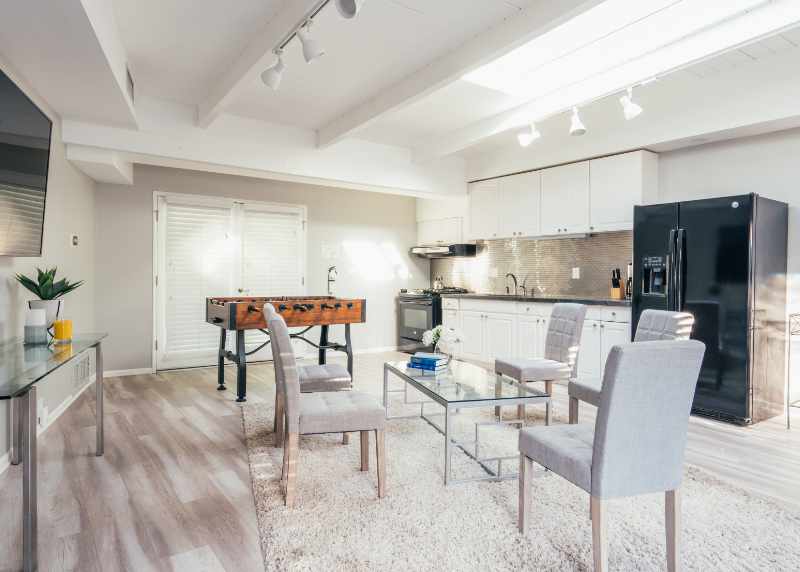
Residential treatment removes the distractions and triggers of daily life, allowing clients to focus on recovery in a closely supported environment. Stays may be planned for 30 to 90 days, with timing adjusted to the individual.
Dual-Diagnosis Care
Anxiety, depression, trauma and other mental health concerns can contribute to substance use and make recovery harder to sustain. Integrated care considers both sides of that relationship within one coordinated treatment plan.
Treatment recommendations depend on the individual assessment and may include therapy, psychiatric support and medication management when appropriate.
What We Treat
The treatment plan is determined by the substance involved, withdrawal risk, pattern of use, physical health, mental health and prior recovery history.
Therapies & Support
Treatment may draw from several approaches. The mix is selected around clinical needs rather than applying the same programme to every client.
Private sessions focused on history, goals, patterns and personal barriers.
Structured work that develops insight, connection and accountability.
Skills for understanding thoughts, managing emotions and changing behaviour.
Care that recognises how trauma and distress may relate to substance use.
Exposure to recovery principles and community support when suitable.
Practices that support awareness, grounding and emotional regulation.
Physical activity that supports routine, well-being and healthy coping.
Coordination of practical, clinical and continuing-care needs.
Specialty Tracks
Specialty tracks complement the core treatment plan. They are not separate programmes and are included only when relevant to the client’s circumstances.
Support for career, privacy, licensing and return-to-work concerns.
Care attentive to occupational stress, trauma and public-service demands.
Focused support for military experiences, trauma and reintegration concerns.
Mindfulness, movement and restorative activities alongside clinical care.
A structured introduction to 12-step principles and recovery community.
Is This Level of Care Appropriate?
Residential treatment is not automatically the right fit for everyone. Admissions will review the current risks, history and practical needs before discussing whether Journey Hillside is suitable.
Withdrawal, repeated return to use or escalating consequences may require structured support.
A temporary change of environment can reduce triggers and create space for treatment.
Integrated care may be useful when anxiety, depression or trauma are connected to substance use.
A smaller setting and more individualized plan may help clarify what needs to change.
Speak With Admissions
A confidential conversation can help clarify the immediate concerns, appropriate treatment options and possible next steps.